Root Canal Beverly Hills for Saving Teeth and Preventing Complications

A root canal is one of the most misunderstood procedures in dentistry. People often arrive tense, apologetic, and convinced they are about to endure the worst appointment of their lives. Then the visit ends, their pain is gone, and the reaction is nearly always the same: “That was much easier than I expected.”
That gap between expectation and reality matters. When a tooth’s inner pulp becomes infected or severely inflamed, waiting rarely improves the situation. Pain may fade for a while, but the infection can continue moving through the root and into the surrounding bone. At that stage, what could have been a fairly routine treatment becomes more complex, more expensive, and harder on the patient. For anyone searching for Root Canal Beverly Hills services, the real issue is not simply treating a sore tooth. It is preserving a natural tooth before the damage spreads.
Teeth are remarkably durable, but they are not self-healing in the way skin or bone can be. Once the pulp inside a tooth is badly infected, the body cannot restore it on its own. That is where root canal therapy earns its place. It removes diseased tissue, disinfects the internal space, seals the root system, and allows the tooth to remain in function. When done at the right time, it can prevent swelling, preserve chewing ability, and keep the bite stable for years.
What a root canal actually treats
Inside every tooth is a soft tissue chamber filled with nerves, blood vessels, and connective tissue. In a healthy tooth, that pulp plays an important role during development. Once the tooth is fully formed, however, it can continue to function without living pulp if the outside structure remains intact and protected.
Trouble starts when bacteria enter that inner chamber. This often happens because of deep decay, a cracked tooth, repeated dental work on the same tooth, trauma from an accident, or sometimes heavy grinding that contributes to structural breakdown. Once bacteria reach the pulp, inflammation builds pressure in a space that has nowhere to expand. That pressure is one reason tooth pain can become intense, throbbing, and hard to localize.
Not every painful tooth needs a root canal, and not every tooth that needs a root canal is dramatically painful. That is one of the reasons proper diagnosis matters. Some patients describe classic symptoms: lingering sensitivity to hot or cold, pain when biting, spontaneous aching at night, or swelling near the gum. Others come in with only a pimple-like bump on the gum, or a darkened Root Canal Beverly Hills tooth that no longer hurts because the nerve has already died.
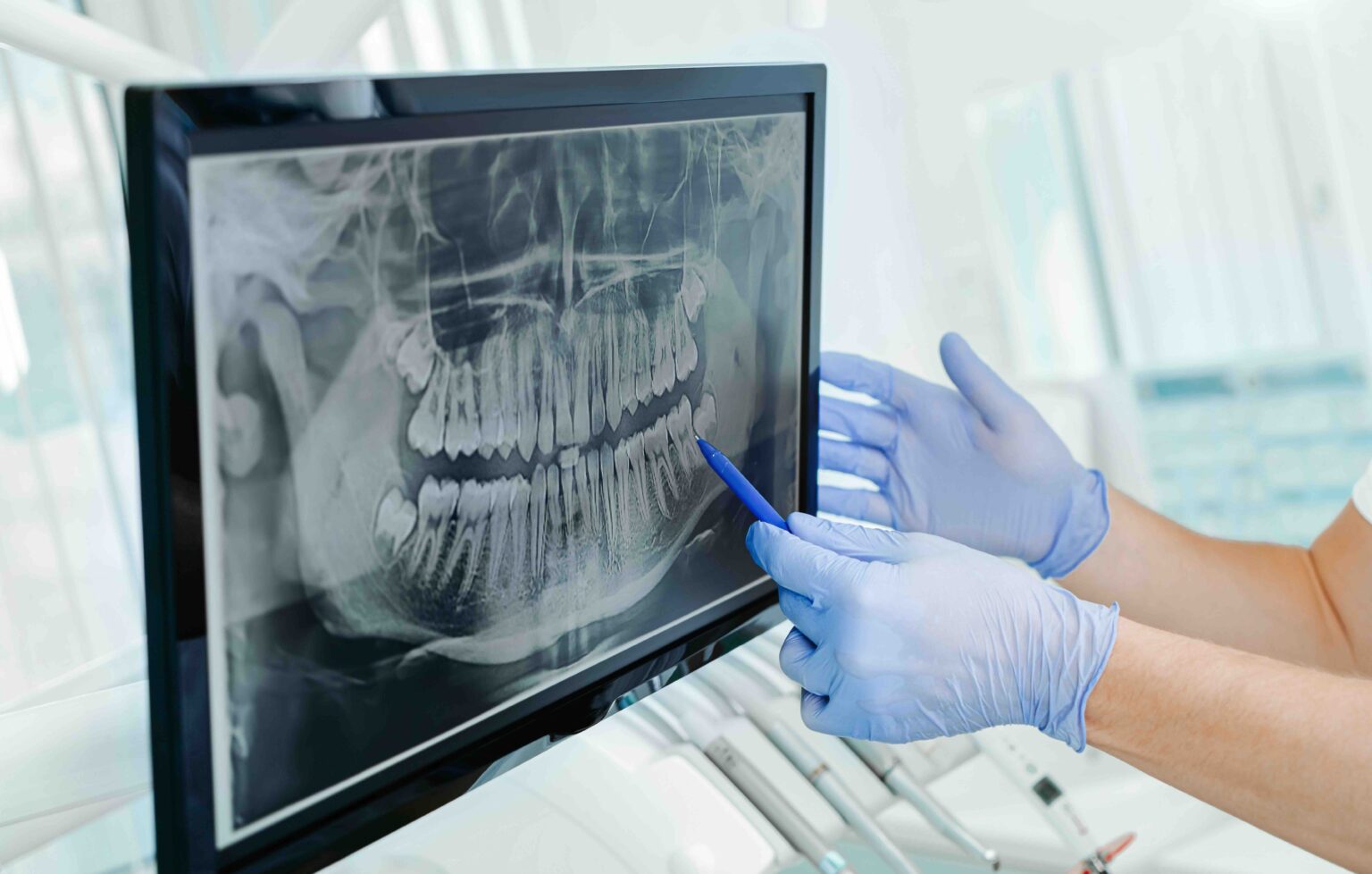
An experienced dentist or endodontic specialist looks beyond symptoms alone. X-rays, cold testing, percussion testing, bite evaluation, and the clinical history all help determine whether the pulp is reversibly inflamed, irreversibly inflamed, or already necrotic. Those distinctions guide treatment. A tooth with mild, temporary sensitivity after a filling is very different from a tooth with a spreading abscess.
Why saving the natural tooth is usually the best first choice
There are situations where extraction is necessary. A tooth may be split below the gumline, too decayed to rebuild, or compromised by severe bone loss. But when a tooth can be saved predictably, preserving it is usually the more conservative path.
Natural teeth maintain efficient chewing, support proper spacing, and help distribute bite forces in a way that prosthetics try to replicate but never fully match. Even excellent implants and bridges come with maintenance needs and biological trade-offs. An implant cannot decay, but it can develop peri-implant disease. A bridge can restore function well, but it often requires preparing neighboring teeth. A removable option may be the least invasive initially, yet many patients find it less stable and less comfortable in daily use.
In practical terms, keeping your own tooth often means fewer downstream changes. The jawbone around a retained tooth continues receiving functional stimulation through the periodontal ligament. The contacts between teeth remain more natural. Chewing confidence is better. Speech is less likely to change. Patients also tend to underestimate the inconvenience of living without a back tooth, especially if the missing tooth starts to affect the way they chew on one side.
A well-treated and well-restored tooth can last many years. That longevity depends on several factors, including the amount of remaining tooth structure, the health of the surrounding gums and bone, the quality of the seal after treatment, and whether the patient protects the tooth from heavy grinding or clenching.
The most common signs that should not be ignored
Dentists see a recurring pattern: people tolerate symptoms for weeks or months, hoping the issue will settle down. Sometimes the pain does ease, but that is not always good news. A dying nerve can stop producing pain even while infection continues to grow around the root tip.
These signs deserve prompt evaluation:
- lingering sensitivity to heat or cold
- pain when chewing or releasing pressure after biting
- swelling in the gums, cheek, or jaw area
- a darkened or discolored tooth after trauma
- a bad taste, drainage, or a recurring gum bump near one tooth
A single symptom does not automatically mean root canal treatment is necessary, but each one can point to pulp damage or infection. Timing matters here. A tooth that is treatable on Tuesday can become a more difficult emergency by Saturday if swelling develops and the infection spreads into facial spaces.
What happens during root canal treatment
The procedure itself is far more methodical than dramatic. The first priority is profound numbness. Modern local anesthetics are reliable, and when a tooth is especially inflamed, dentists often adjust the technique, add supplemental anesthesia, or allow more time for it to take effect fully. Patients who expected severe pain are often surprised that the most noticeable sensation is pressure, not sharp discomfort.
Once numb, the tooth is isolated with a rubber dam. This step is not just a formality. It keeps saliva and bacteria away from the treatment site and protects the patient during the procedure. An opening is made through the top or back of the tooth so the internal canals can be located. That part requires precision because molars can have narrow, curved, or unusually positioned canals that are easy to miss without magnification and experience.
Tiny instruments are then used to remove infected tissue and shape the canals. Irrigating solutions disinfect areas the instruments cannot reach directly. In many practices, digital imaging, apex locators, magnification, and rotary instruments improve accuracy and efficiency, especially in difficult anatomy.
Once the canals are cleaned and shaped, they are filled with a biocompatible material and sealed. In some cases, treatment is completed in one visit. In others, especially if there is significant infection, drainage, or diagnostic uncertainty, a dentist may place medication inside the tooth and complete the filling at a later appointment. Neither approach is inherently better in every case. The choice depends on anatomy, infection status, symptoms, and clinical judgment.
A root canal does not end with cleaning the canals. The tooth must also be restored properly afterward, often with a crown if a large amount of structure has been lost. This matters more than many patients realize. A back tooth that has had root canal therapy and a large filling but no cuspal protection is more likely to fracture over time.
Why Beverly Hills patients often ask different questions
In many communities, patients mainly ask whether a root canal will hurt. In Beverly Hills, the conversation is often broader. People want to know about longevity, appearance, scheduling, comfort, and how the treatment fits into a larger restorative plan. That is understandable. A person may be balancing a visible front tooth issue, an upcoming event, a demanding work calendar, or previous cosmetic dentistry that needs to be protected.
For someone looking for Root Canal Beverly Hills treatment, diagnosis and planning should account for both function and aesthetics. A front tooth with trauma, for example, may need root canal therapy, internal bleaching later, or a carefully coordinated crown or veneer plan if discoloration becomes visible. A molar with a vertical crack may require a more cautious prognosis discussion because saving the tooth depends not just on treating the pulp, but on whether the remaining structure can withstand long-term bite forces.
This is also a population that often values efficiency. Same-day evaluations, close communication between the general dentist and endodontist, digital imaging, and a clear restoration timeline can make a meaningful difference. None of that replaces sound clinical judgment, but it does improve the patient experience.
Pain, fear, and the reality of recovery
Much of the fear around root canals is inherited. Patients remember stories from parents or grandparents whose procedures happened decades ago, before current anesthetics, imaging, and instrumentation changed the landscape. Those memories persist long after the technology improves.
Most patients tolerate the procedure well. After the numbness wears off, it is common to feel mild to moderate soreness for a few days, especially if the tooth was badly infected or tender before treatment. The sensation is often more like bruising around the tooth than the deep nerve pain that brought the patient in. Over-the-counter anti-inflammatory medication is usually enough, though the specific recommendation should come from the treating clinician based on medical history.
The bigger danger is often postponement. I have seen patients endure intermittent tooth pain for months because they feared treatment, only to arrive with swelling extending into the cheek before an important trip or work obligation. At that point, the pressure, sleep disruption, and urgency are often far worse than the procedure they were trying to avoid.
When a root canal may not be the right answer
Dentistry is full of gray zones, and root canal decisions are no exception. A tooth can be technically treatable but strategically poor to keep. For example, if a molar has deep decay extending below the bone, limited remaining tooth structure, and a compromised furcation area, root canal treatment may solve only one piece of the problem. The patient still needs a tooth that can be predictably restored and maintained.
Similarly, a vertical root fracture often mimics endodontic pain but usually carries a poor prognosis. Retreatment may not help if the underlying issue is a crack extending down the root. In those cases, removing the tooth and discussing replacement options may be the more honest recommendation.
This is where experience matters. Good clinicians do not Root Canal Beverly Hills recommend root canal therapy simply because they can perform it. They assess restorability, periodontal support, crack patterns, occlusion, and long-term value. Saving a tooth is worthwhile when the tooth is actually savable in a durable way.
The role of crowns after treatment
A common misunderstanding is that once the root canal is done, the problem is solved permanently. The infection may be addressed, yes, but the tooth itself is still vulnerable if it has lost significant structure. Teeth that have had large fillings, decay, or fracture repair are weaker than intact teeth. After root canal therapy, they can become more prone to splitting under chewing forces if not protected properly.
This is especially true for molars and premolars. Front teeth are a bit different because they absorb less crushing force, so some can function well without full crowns depending on how much tooth remains. Back teeth usually need cuspal coverage to reduce fracture risk. Patients sometimes delay the crown because the tooth feels fine after treatment. That delay can be costly. If the tooth cracks beyond repair before final restoration, the investment in the root canal may be lost.
The sequence matters. Diagnose accurately, treat the canal system thoroughly, then seal and restore the tooth as soon as appropriate. That chain is what gives the tooth its best chance.
How long a treated tooth can last
No dentist can ethically promise that a root canal treated tooth will last forever. Too many variables affect the outcome. But many such teeth remain functional for a decade or far longer when treatment is well executed and the final restoration is sound.
Success depends on several practical factors. The canals need to be adequately cleaned and sealed. The coronal restoration must prevent bacterial leakage. The surrounding bone and gums need to stay healthy. The patient must address clenching, avoid chewing ice or hard objects, and keep up with routine exams. If a crown margin breaks down or decay starts around the tooth years later, the endodontic treatment may still be intact while the restorative side becomes the problem.
Occasionally a previously treated tooth develops persistent infection and needs retreatment or endodontic surgery. That does not always mean the original care was poor. Complex anatomy, hidden canals, delayed restoration, new decay, fractures, or reinfection can all play a role. Teeth are biological structures, not machine parts.
Recovery and aftercare in practical terms
Most patients do best when they have realistic expectations for the first week. The tooth may feel tender to biting for a few days, particularly if there was inflammation at the root tip before treatment. Temporary fillings are not meant for long-term heavy chewing, so using the other side until the final restoration is placed is often wise.
A few simple habits can make recovery smoother:
- take recommended medications as directed
- avoid chewing hard foods on the treated tooth until it is fully restored
- keep the area clean with normal brushing and flossing unless instructed otherwise
- call promptly if swelling, severe pain, or the bite feels high
- schedule the permanent restoration without delay
One practical point that patients appreciate: if the bite feels even slightly “off” after treatment, do not ignore it. A tooth that hits first can become sore very quickly. A simple adjustment often solves the problem.
Preventing the need for a root canal in the first place
The best root canal is the one you never need. That may sound obvious, but the path to prevention is less about perfection and more about catching small issues early. Deep cavities do not appear overnight. Cracks often start as subtle wear patterns. Leaky old fillings, untreated grinding, and skipped recalls can quietly set up the conditions for pulp damage.
In real practice, prevention usually comes down to consistency. Patients who attend regular exams give their dentist a chance to spot developing problems before bacteria reach the nerve. Night guards help when clenching is heavy. Prompt treatment of fractured fillings or recurrent decay reduces the odds that the pulp will become involved. Even something as simple as not using teeth to tear packaging can prevent a crack that changes everything.
People are often diligent about cosmetic maintenance but less attentive to structural warning signs because they are painless at first. That is a mistake. The small chip, the cold sensitivity that lingers a little longer than it used to, the old molar filling with a shadow beneath it, those details are where many avoidable root canals begin.
Choosing care with judgment, not panic
If you have been told you need a root canal, the best next step is not fear, it is clarification. Ask what the diagnosis is. Ask whether the tooth is restorable. Ask what kind of final restoration will protect it. Ask what the alternatives are, including extraction and replacement, and what those choices mean five years from now, not just next week.
Patients searching for Root Canal Beverly Hills care should look for a practice that explains the reasoning clearly and does not oversimplify. The right clinician will discuss prognosis honestly, not just procedure details. They will tell you when a tooth is an excellent candidate for saving, when the outlook is guarded, and when extraction may actually be the better long-term option.
That kind of candor is valuable because root canal therapy is not merely about ending pain. It is about preserving function, avoiding wider infection, and making the most conservative durable choice for the mouth as a whole. When handled at the right time and followed by proper restoration, it remains one of the most effective ways to save a natural tooth and prevent complications that are far more disruptive than the treatment itself.
Dental Group of Beverly Hills
8641 Wilshire Blvd, Suite 125
Beverly Hills, CA 90211
(310) 361-2835
FAQ About Root Canal Beverly Hills
What are the signs you need a root canal?
Persistent pain, lingering temperature sensitivity, or swelling can have several causes. A dentist can examine the tooth and decide whether root canal treatment is appropriate.
How much does a root canal usually cost in Beverly Hills CA?
Cost varies by tooth, complexity, insurance, and whether a permanent restoration is needed. Request an itemized estimate.
How long do root canals last?
A treated tooth can last many years with a suitable restoration and regular dental care. Its outlook depends on tooth condition, the seal, and follow-up care.