Root Canal Beverly Hills for Patients With Severe Toothaches
A severe toothache has a way of taking over everything. People try to work through it, sleep through it, or dismiss it as something that will settle down on its own. By the time many patients finally call a dentist, they are no longer thinking about convenience, aesthetics, or scheduling. They want the pain to stop.
That is where root canal treatment often enters the conversation. For patients searching for Root Canal Beverly Hills care, the issue is usually not abstract. It is immediate. The tooth may throb on its own, react sharply to cold, feel painful when biting, or wake someone up at 2 a.m. With a deep, pulsing ache that seems to radiate into the jaw or temple. In practice, those details matter, because they help distinguish a routine cavity from a tooth whose nerve tissue is inflamed or infected.
Root canal therapy has an undeserved reputation. Many people arrive expecting the worst, often because they have heard stories from relatives or remember older dental techniques that were less refined than what is common now. The reality is much more practical. When a tooth’s inner tissue is badly damaged, the purpose of a root canal is straightforward: remove the infected or inflamed pulp, disinfect the internal space, seal it, and preserve the tooth whenever it can be saved. For a patient in Root Canal Beverly Hills real pain, that can be the difference between ongoing misery and measurable relief.
When a toothache is more than a passing problem
Not every toothache means you need root canal treatment. Teeth can hurt for several reasons, and the right diagnosis depends on what is happening inside and around the tooth. A cracked tooth can mimic nerve pain. Gum inflammation can create soreness that patients mistake for a cavity. Sinus pressure can even make upper back teeth feel tender. Still, there are patterns that often point toward pulpal damage.
One common story goes like this: a patient has had a sensitive tooth for months, usually to cold drinks or sweets. The sensitivity starts as an annoyance, then becomes more intense and lingers longer. Eventually, the tooth begins to ache spontaneously, sometimes without any trigger at all. At that stage, the pulp inside the tooth may be irreversibly inflamed, meaning it is unlikely to recover on its own.
Another frequent scenario involves a deep filling or an old restoration. A tooth with a large filling has less natural structure protecting the nerve. Over time, bacteria can seep under an aging restoration, decay can spread, and the nerve can become compromised. In other cases, trauma is the main culprit. A blow to the mouth during sports, an accident, or even a long untreated crack can injure the pulp and lead to delayed symptoms months later.
Severe pain is the symptom that gets attention, but it is not the only sign. Swelling near the gumline, a pimple-like bump on the gums, tenderness when chewing, heat sensitivity, and a darkening tooth can all signal that something deeper is wrong. One point that surprises patients is this: an infected tooth does not always hurt constantly. Some of the most serious infections drain through the gum and become oddly quiet, at least for a while. Silence should not be mistaken for healing.
Why the nerve inside the tooth becomes a problem
Each tooth contains a soft tissue chamber with nerves, blood vessels, and connective tissue. This tissue, called the pulp, is protected by enamel and dentin. Once bacteria gain access to it, usually through decay, fracture, leakage around an old filling, or trauma, inflammation develops in a confined space. Unlike a scraped knee or a swollen ankle, the pulp cannot expand much without pressure building inside the tooth.
That is why tooth pain can feel so intense. Pressure, inflammation, and bacterial byproducts stimulate the nerve in a limited space, often producing that deep, hard-to-ignore ache patients describe. If the pulp dies, the pain can temporarily change, but the infection may move beyond the tooth into the surrounding bone. That shift can bring swelling, a bad taste, gum drainage, and in more advanced situations, facial swelling or trouble opening the mouth.
There is also an important distinction between reversible and irreversible pulpitis. Reversible irritation may improve once the source is treated, such as a new cavity being removed and restored. Irreversible pulpitis does not recover, even if the visible decay is taken away. In those cases, the nerve tissue itself has reached a point where root canal treatment or extraction becomes the realistic choice.
What a dentist looks for before recommending a root canal
A good diagnosis is not based Root Canal Beverly Hills on pain alone. Dentists usually combine an exam, dental imaging, and a series of tests to determine whether the tooth can be saved and whether the pulp is still vital, inflamed, or necrotic. Patients are sometimes surprised by how specific those tests can be. Tapping on a tooth, testing hot and cold responses, checking bite pressure, and examining surrounding gums all provide useful information.
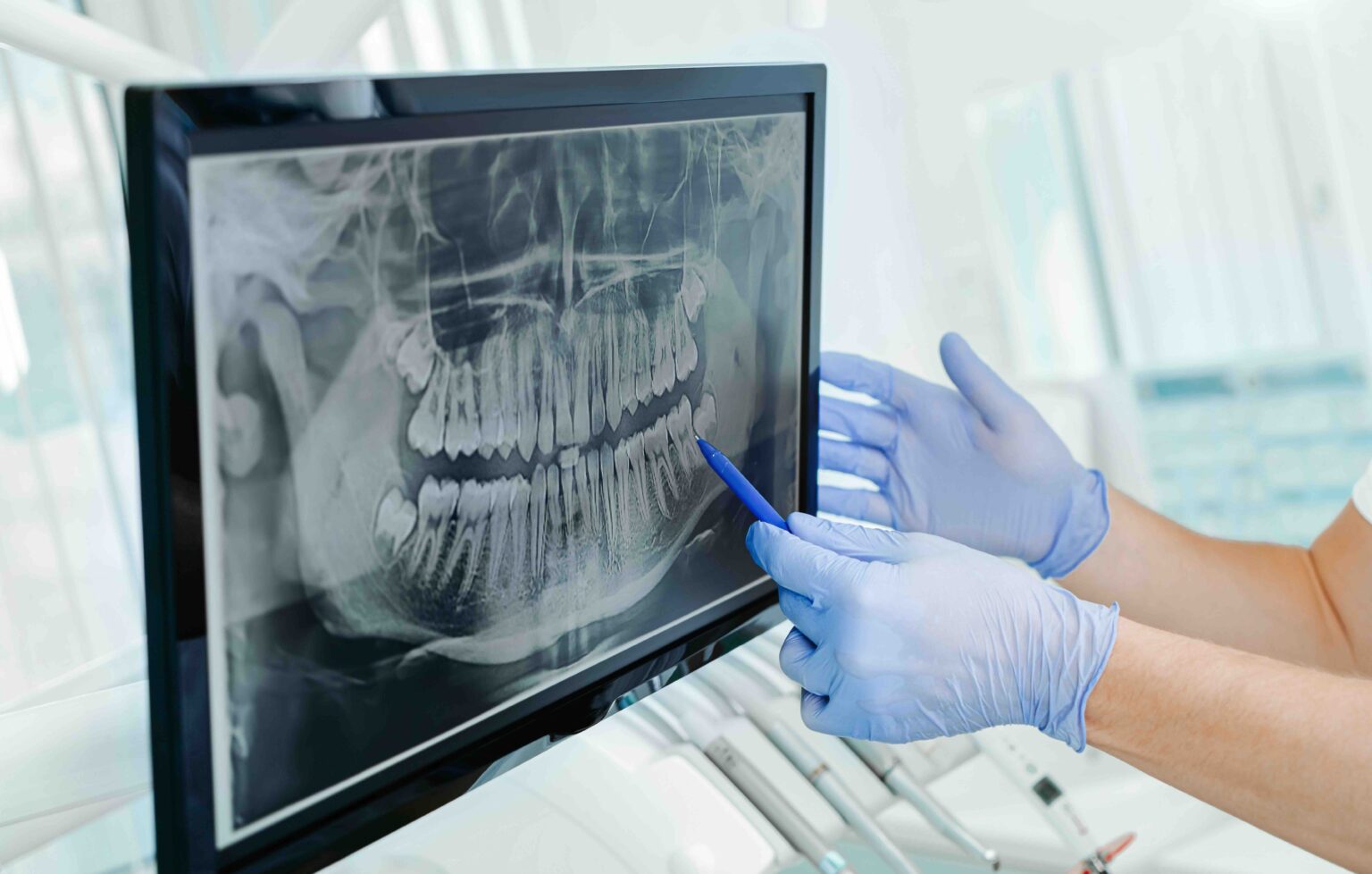
X-rays help identify deep decay, changes around the root tip, previous dental work, and bone loss that may suggest infection. In some cases, especially when a fracture is suspected or anatomy is complex, a three-dimensional scan may be useful. That does not mean every severe toothache automatically goes to root canal therapy. Sometimes the better answer is a crown after a deep filling. Sometimes a crack extends below the gumline and the tooth is not restorable. Sometimes a gum abscess is the real source of pain.
That judgment matters. Root canal therapy should be recommended because it fits the diagnosis, not because a patient happens to have a bad toothache. In experienced hands, the decision is usually clear once the clinical picture comes together.
What root canal treatment actually feels like
The procedure itself is often less dramatic than the anticipation leading up to it. Most patients do not remember the treatment as painful. They remember the anxiety beforehand and the relief afterward. Local anesthesia is the foundation of comfort, and in a painful, inflamed tooth, getting profound numbness may require a bit more strategy and patience than a routine filling. That is normal.
Once the tooth is numb, the dentist isolates it, typically with a rubber dam. This keeps the field dry and clean, which is critical for disinfection. A small opening is made in the tooth to access the pulp chamber and root canals. The inflamed or infected tissue is removed, the canals are shaped with fine instruments, and antimicrobial solutions are used to clean the internal space. The canals are then sealed with a biocompatible material, and the tooth is restored temporarily or permanently depending on the treatment plan.
Many root canals can be completed in one visit. Others are better managed over two visits, especially when infection, drainage, or significant inflammation is present. Multi-rooted molars tend to be more complex than front teeth, and anatomy can vary considerably from one patient to the next. That is one reason pricing and timing differ.
After treatment, some tenderness for a few days is common, particularly when the tooth was painful beforehand or there was infection around the root tip. This soreness is usually manageable with the post-procedure plan recommended by the treating dentist. It is very different from the uncontrolled, throbbing toothache that brought the patient in.
Why severe toothaches tend to escalate quickly
People often wait longer than they should, partly because dental pain can be unpredictable. A tooth may hurt intensely for a night, then calm down enough to make someone think the problem has passed. Unfortunately, lower pain does not always mean lower risk. Sometimes it means the pulp has died, which can open the door to a spreading infection.
In a place like Beverly Hills, many patients have demanding schedules and a high threshold for discomfort. They postpone care because of meetings, travel, family obligations, or the hope that antibiotics alone will fix things. Antibiotics have a role in selected cases, especially when swelling or systemic involvement is present, but they do not remove dead or infected pulp from inside a tooth. If the source remains, the problem tends to return.
The practical risk of waiting is not only more pain. Delay can reduce the chance of saving the tooth. A small crack can become a larger fracture. A contained infection can spread into deeper tissues. A tooth that might have been restored with a predictable prognosis can become structurally compromised. In everyday terms, early treatment usually preserves more options.
The role of the crown after a root canal
One of the most misunderstood parts of treatment happens after the canals are filled. Patients often assume the root canal itself is the finish line. In many cases, it is only part of the process. Once a tooth has had extensive decay, a large filling, or endodontic treatment, it can become more brittle and more vulnerable to fracture under chewing forces.
Back teeth, especially molars, frequently need a crown after root canal treatment because they absorb heavy biting pressure. Without adequate reinforcement, the risk of cracking rises. Front teeth may not always need crowns, particularly if they have strong remaining structure and lower functional demand, but every case depends on how much natural tooth remains.
This is one of those areas where clinical judgment matters more than one-size-fits-all advice. A patient may hear that their friend had a root canal and never got a crown, then assume the same should apply. The better question is not what someone else did. It is what this specific tooth requires to last.
When extraction may be the better choice
Saving a natural tooth is usually preferable when the tooth is restorable and the surrounding support is healthy. Still, root canal treatment is not the right answer for every situation. If a tooth is split vertically, has decay extending too far below the gumline, has severe bone loss, or cannot be predictably restored, extraction may be the more honest recommendation.
That conversation can be difficult, especially if the patient is in pain and wants a quick fix. Yet avoiding false reassurance is part of responsible care. A technically successful root canal does not help much if the tooth itself cannot function long term. The decision should weigh several factors: restorability, periodontal support, fracture pattern, cost, timeline, and the patient’s overall treatment goals.
In practice, many patients appreciate directness. If the tooth is savable, they want to know the odds and the likely next steps. If it is not, they want a clear explanation rather than wishful language.
What patients should expect during recovery
Recovery is usually manageable, but it helps to know what is normal. A mild to moderate soreness when chewing for a few days is common, particularly if there was pre-existing inflammation around the root. The surrounding ligament can remain tender even after the infected pulp has been removed. That tenderness generally improves steadily.
Patients should be more cautious if they notice increasing swelling, a fever, worsening pain several days later, or a temporary restoration that breaks down before the final restoration is placed. A root canal-treated tooth also should not be left indefinitely with only a temporary filling if a crown or final buildup has been recommended. The internal treatment may be complete, but the outer structure still needs protection.
A few practical habits help recovery go more smoothly:
- Avoid chewing hard foods on the treated side until the final restoration is complete.
- Follow the medication and home-care instructions exactly as given.
- Keep the area clean with gentle brushing and normal oral hygiene unless told otherwise.
- Report swelling, a high bite, or a lost temporary restoration promptly.
- Return for the crown or final restoration without unnecessary delay.
That short period after treatment often shapes the long-term result more than patients realize.
Cost questions and what affects the fee
Patients looking for Root Canal Beverly Hills services often ask about cost early, and reasonably so. Fees vary based on the tooth involved, the complexity of the root anatomy, whether a general dentist or endodontist is providing treatment, the need for advanced imaging, and the type of restoration needed afterward. A front tooth is generally simpler than a molar, and a molar with curved or calcified canals can be significantly more demanding than it appears on a standard exam.
It is also important to separate the fee for the root canal from the fee for the buildup and crown, if those are needed. Patients sometimes compare numbers without realizing they are comparing different scopes of treatment. A complete estimate should explain what is included now and what is expected later.
Insurance can offset some of the cost, though coverage varies and annual maximums are often limited. From a long-range standpoint, preserving a functional tooth can be more economical than losing it and replacing it with a bridge or implant. That is not always the deciding factor, but it is worth discussing in practical terms rather than looking only at the first appointment fee.
Why specialist care is sometimes recommended
General dentists perform many root canals very successfully, especially on teeth with straightforward anatomy. In more complex cases, referral to an endodontist may be the best route. Endodontists focus on diagnosing tooth pain and treating diseases of the dental pulp. They often manage cases involving narrow canals, retreatments, difficult anesthesia, prior root canal failures, and teeth with unusual root structures.
This is not a matter of one type of clinician being universally better than another. It is about matching the case to the right level of complexity. A simple front tooth with clear anatomy may be well within the comfort zone of a general dentist. A lower molar with calcified canals and a history of repeated pain episodes may be better served by a specialist with a microscope and a practice centered on exactly that kind of challenge.
Patients do best when the recommendation is based on the tooth, not ego or convenience.
Common fears, and what tends to help
Fear around root canal treatment is rarely just about the procedure. It is often about loss of control, memories of difficult dental experiences, or the dread of hearing that a tooth is in worse shape than expected. A calm explanation usually helps more than overpromising.
These are the concerns heard most often in practice:
| concern | what usually helps | |---|---| | “Will it hurt?” | understanding that anesthesia is the priority, and that severe toothache relief is usually the goal | | “Can’t I just take antibiotics?” | knowing that antibiotics do not remove infected tissue inside the tooth | | “Should I just pull it?” | comparing long-term function, replacement costs, and restorability of the natural tooth | | “Why do I need a crown too?” | seeing how weakened back teeth can fracture without reinforcement | | “What if the pain goes away by itself?” | recognizing that reduced pain can still mean the infection is progressing |
One patient described finally seeking care after three nights of sleeping upright in a chair because lying down intensified the throbbing. Another had been chewing only on one side for weeks, convinced it was a sinus issue until heat triggered sharp, unmistakable pain in a lower molar. Those stories are ordinary in dental offices, and they underline a simple point: severe toothaches rarely reward delay.
Choosing care in Beverly Hills when the pain is urgent
Urgent dental care is not just about getting the first available appointment. It is about getting a diagnosis you can trust, pain control that is handled competently, and a treatment plan that looks beyond the next 24 hours. For patients seeking Root Canal Beverly Hills treatment, convenience matters, but so do communication and clinical judgment.
A good visit should leave the patient with clear answers. Which tooth is responsible? Is the pulp irreversibly inflamed, infected, or already non-vital? Can the tooth be restored after treatment? Is a crown likely? Is the case straightforward, or would specialist care improve predictability? Those answers are more valuable than vague reassurance.
There is also a practical quality to good dental care that patients recognize immediately. The office responds when pain is significant. The imaging is reviewed carefully. The difference between temporary pain relief and actual treatment is explained. The dentist does not rush past questions just because the diagnosis seems obvious from a clinical perspective.
Severe toothaches are among the few health problems that can reduce a capable, composed adult to counting minutes until a dental office opens. That intensity is real, and it deserves a response grounded in skill rather than drama. Root canal therapy is often the most efficient, tooth-preserving way to stop the cycle of pain and infection. When performed for the right reasons and followed by proper restoration, it gives many patients exactly what they wanted when they first made the call: relief, function, and the chance to keep their natural tooth.
Dental Group of Beverly Hills
8641 Wilshire Blvd, Suite 125
Beverly Hills, CA 90211
(310) 361-2835
FAQ About Root Canal Beverly Hills
What are the signs you need a root canal?
Persistent pain, lingering temperature sensitivity, or swelling can have several causes. A dentist can examine the tooth and decide whether root canal treatment is appropriate.
How much does a root canal usually cost in Beverly Hills CA?
Cost varies by tooth, complexity, insurance, and whether a permanent restoration is needed. Request an itemized estimate.
How long do root canals last?
A treated tooth can last many years with a suitable restoration and regular dental care. Its outlook depends on tooth condition, the seal, and follow-up care.