Emergency Dentist Beverly Hills Care for Loose Crowns and Bridges
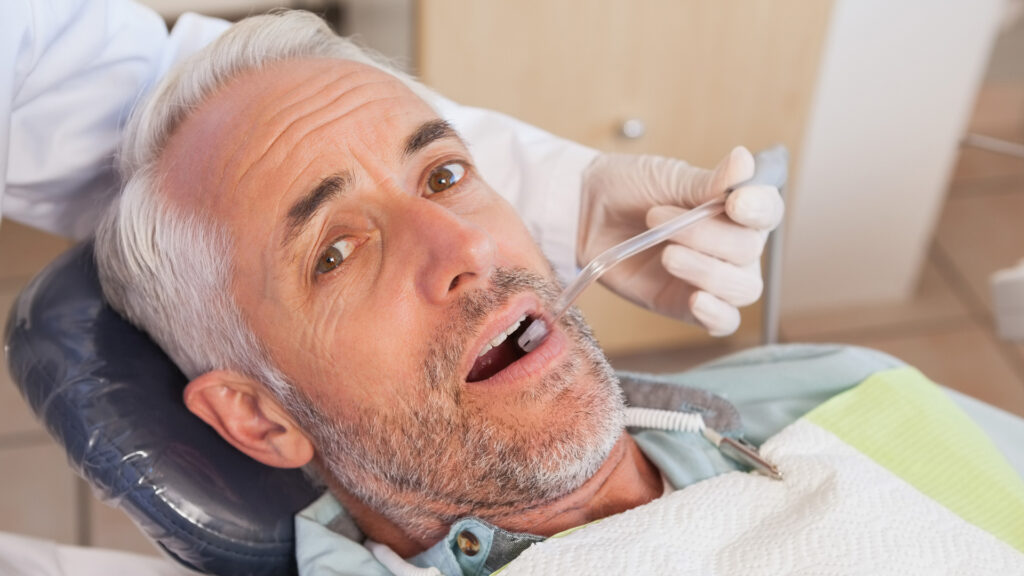


A loose crown or bridge rarely happens at a convenient time. It tends to show up in the middle of a meal, before a meeting, while traveling, or late at night when every unusual sensation in your mouth feels worse than it probably is. One second everything feels normal, the next you notice movement when you bite down, a strange pressure near the gumline, or that unsettling click of dental work shifting where it should be secure.
For patients, the first concern is usually simple and immediate: is this an emergency? In many cases, yes, it deserves prompt attention. A loose restoration is not always dramatic, but it can become a bigger problem quickly. Crowns and bridges protect underlying tooth structure, help you chew evenly, and maintain spacing and function. Once they loosen, the tooth underneath may be exposed to bacteria, food debris, fracture risk, and further decay. If a bridge is unstable, the supporting teeth can also be affected, sometimes in ways that are not visible to you at home.
That is where an Emergency Dentist Beverly Hills practice becomes important. The goal is not only to relieve discomfort, but to stabilize the situation before a manageable repair turns into a root canal, extraction, or replacement case. In a city where schedules are tight and appearance matters, patients often want a fast fix. Sometimes a fast fix is appropriate. Other times, experience says it is better to pause, evaluate the reason the crown or bridge loosened, and make sure the repair actually lasts.
Why crowns and bridges come loose in the first place
Crowns and bridges are built to be durable, but they are not indestructible. They live in a demanding environment. Heat, cold, moisture, chewing pressure, clenching, grinding, sticky foods, and the natural aging of dental cement all affect their lifespan.
The most straightforward reason a crown comes loose is cement failure. Over time, the luting cement that seals the crown to the prepared tooth can weaken. This does not always mean the dental work was poorly done. Even an excellent restoration can loosen after years of daily function. Patients are often surprised by this, especially if the crown looked perfect from the outside.
Another common reason is decay under or around the margin. If bacteria find their way beneath the edge of a crown, they can gradually undermine the tooth structure that holds it in place. From the patient's perspective, it can seem as if the crown suddenly failed. In reality, the process may have been developing quietly for months.
Bridges have their own vulnerabilities. Because a bridge depends on abutment teeth for support, stress is distributed across multiple points. If one supporting tooth develops decay, bone loss, a crack, or a bite imbalance, the entire bridge can shift. Sometimes patients notice a bridge feeling loose on one side first. That detail matters because it often hints at where the underlying problem sits.
Grinding and clenching, especially at night, are major contributors. In practice, many loose crowns and fractured bridge retainers show up in patients who say they “do not think” they grind, but whose teeth tell a different story. Flattened edges, jaw tightness, cheek ridging, or morning soreness often confirm it.
Then there is the food factor. Caramel, gum, crusty bread, tough meats, and ice have all played a role in emergency calls. Sticky foods can pull at a restoration with more force than people realize. Hard foods do something different, they create sharp, concentrated pressure that can break cement seals or exploit a hairline crack.
What turns a loose restoration into an urgent dental visit
Not every loose crown means panic, but some situations need same day or next day care. The degree of urgency depends on pain, stability, the condition of the underlying tooth, and whether there is risk of swallowing or inhaling the restoration.
Pain is one major clue. A loose crown that exposes sensitive dentin can make cold air feel electric. If the pulp is inflamed, you may feel throbbing or pain when biting. If the tooth under a bridge is compromised, pressure can radiate into the gum or jaw. Pain does not always mean severe infection, but it usually means the tooth is no longer adequately protected.
Mobility is another factor. A crown that wiggles slightly but stays seated is different from one that lifts off when you floss or chew. A bridge that moves noticeably is especially concerning because movement can strain the supporting teeth and irritate the surrounding gum tissue.
There is also the issue of fit. Once a crown comes off completely, some patients try to place it back on the tooth. That can occasionally protect the area temporarily, but if it no longer seats fully, forcing it can damage the tooth or trap debris underneath. A bridge should never be pushed back into place if resistance is present.
An Emergency Dentist Beverly Hills office will usually want to hear several details before advising you: whether the restoration is still in your mouth, whether the tooth is broken underneath, whether swelling is present, whether you can close your teeth together normally, and whether there was trauma involved. These details help separate a repairable cement failure from a more complex emergency involving fracture, infection, or failed support.
What you should do at home before you are seen
The best short term response is calm, protective, and practical. People often make trouble by trying to “test” the crown repeatedly with their tongue or by chewing on it to see if it is really loose. If it moves, you already know enough.
Use this simple approach until you can be examined:
- Remove the crown only if it is fully detached or at risk of being swallowed, then store it in a clean container.
- Rinse your mouth gently with lukewarm water to clear away debris.
- Avoid chewing on that side, especially hard, crunchy, or sticky foods.
- Keep the area clean with soft brushing, but do not force floss under a loose bridge or crown.
- Call an emergency dental office promptly and describe exactly what happened, including any pain, swelling, or crack you can see.
Temporary dental cement from a pharmacy can sometimes help hold a crown in place for a short period, but judgment matters here. If the tooth underneath is broken, sharply painful, or visibly decayed, reseating the crown at home may make professional evaluation harder. If you do use temporary cement, use only a very small amount and never use household glue. That sounds obvious until you practice emergency dentistry long enough to see it happen more than once.
The difference between a loose crown and a loose bridge
Patients often use the terms interchangeably, but they behave differently in an emergency. A crown covers one tooth. A bridge replaces one or more missing teeth by connecting to neighboring support teeth or implants. Because a bridge spans space, it carries more functional complexity.
A loose crown may be as simple as failed cement on a healthy underlying tooth. If the fit is still good and the tooth has no recurrent decay or fracture, recementation may be possible in one visit. That is the straightforward scenario patients hope for.
A loose bridge demands a more cautious assessment. If one retainer has debonded but the other remains attached, the bridge can torque during chewing. That movement can loosen the remaining support even more, create leverage on the abutment, and trap food where the patient cannot clean effectively. Recementing a bridge without checking the health of every supporting structure is risky. When a bridge fails, there is often a reason beyond “the glue wore out.”
Implant supported crowns and bridges add another layer. The restoration itself may be loose because of a screw issue, while the implant remains stable in bone. To the patient, it still feels like “my tooth is loose,” but the treatment path is different. Tightening or replacing a prosthetic screw is very different from managing a loose natural tooth crown. This is why a proper examination matters more than a guess based on sensation alone.
What an emergency dentist is looking for during the exam
Experienced emergency care moves quickly, but not blindly. The first task is to identify whether the problem lies in the restoration, the tooth, the supporting tissue, the bite, or some combination of those.
Visual inspection often reveals obvious clues. A crown with intact internal surfaces may suggest cement failure. A crown with soft material, dark decay, or broken tooth structure inside points in another direction. With bridges, one loose retainer can signal decay at the margin, a crack in an abutment, or a bond failure from excessive stress.
Bite analysis matters more than patients expect. If a crown came loose repeatedly, the dentist will often examine whether the tooth is receiving too much force. A restoration that is slightly high in occlusion can endure years of repeated overload. Recementing it Dental Group of Beverly Hills Emergency Dentist Beverly Hills without adjusting the bite invites the same problem back.
Radiographs may be necessary to look for recurrent decay, cracks, bone loss, or issues around the roots and supporting teeth. Not every crack appears on an x ray, but imaging can still reveal enough to change treatment decisions. A tooth with deep decay under a crown may need endodontic treatment or a new buildup before any new restoration can succeed.
Gum health also affects the outcome. Inflamed tissue, trapped cement, open margins, and chronic plaque accumulation all influence whether a restoration can be saved and how long it will last afterward. In some cases, the emergency visit solves the immediate looseness while also exposing a maintenance issue that needs follow up.
When a crown can be recemented, and when it cannot
Patients usually ask a direct question: can you just glue it back on? Sometimes yes. Sometimes absolutely not.
A crown can often be recemented if it is intact, the tooth underneath is sound, the fit remains precise, and there is enough healthy tooth structure to retain it. Recementation tends to work best when the crown came off cleanly and the underlying problem is limited to cement fatigue.
That said, a crown that has come off more than once deserves skepticism. Repeated recementation without addressing underlying fit, decay, or occlusal overload usually ends in another emergency. The crown may feel fine for weeks or months, then loosen again during dinner or while flossing. At that point, the patient has paid for temporary relief but not lasting treatment.
A new crown is often the better choice if the margins no longer fit, the porcelain or zirconia is damaged, the tooth has decayed significantly, or the original preparation lacks sufficient retention. If the tooth is cracked or too compromised, a buildup, root canal, post, crown lengthening, or extraction may need to be discussed. Those are not the answers patients love hearing during an emergency visit, but they are sometimes the honest ones.
The same principle applies to bridges, only more so. If an abutment is decayed or fractured, repairing only the loose section can fail quickly. A bridge that looks salvageable from above may reveal deeper problems once removed. Good emergency care balances immediate stabilization with a realistic plan for what comes next.
Temporary relief versus durable treatment
One of the practical realities in Beverly Hills is that many patients seek care under time pressure. They may have events, travel, filming, business meetings, or family obligations that make them want the fastest possible cosmetic solution. A visible front crown that loosens before a public appearance creates a different kind of urgency than a posterior bridge that fails quietly over the weekend.
An Emergency Dentist Beverly Hills practice often has to balance aesthetics, comfort, and structural integrity in real time. If a front crown can be safely recemented and it seats well, doing so may restore appearance immediately while buying time for full evaluation. If it cannot be predictably retained, a temporary option may be fabricated while definitive treatment is arranged.
The key is honesty about the shelf life of that temporary fix. A short term recement is not the same as definitive care. Patients appreciate clarity when they are told, “This should get you through the next several days, but the tooth needs a new restoration,” rather than being left with false confidence.
In posterior areas, function is often the bigger issue. If a molar crown is loose, chewing on it can crack the underlying tooth. A patient who feels “only mild discomfort” may still be one crunchy snack away from converting a straightforward recementation into a fractured cusp case. This is where experienced judgment saves teeth.
Warning signs that should not wait
Certain symptoms suggest that the problem is no longer just a loose restoration. These deserve prompt evaluation, ideally the same day:
- Swelling of the gum, face, or jaw near the crown or bridge.
- Sharp pain on biting, especially if it feels sudden or localized.
- A bad taste, drainage, or odor coming from the area.
- Visible fracture of the tooth or bridge framework.
- A restoration so loose that it could be swallowed or inhaled.
These signs may point to infection, a cracked tooth, or structural failure that requires more than simple recementation. Waiting in those cases can make treatment more invasive and more expensive.
How loose restorations affect the teeth around them
Patients often focus on the crown or bridge itself, but neighboring structures pay the price too. When a restoration is loose, food packs into spaces that were never designed to trap it. That can inflame the gums within a day or two. If a bridge shifts during chewing, the opposing teeth can strike it abnormally, creating soreness or bite changes.
There is also a subtle habit problem. People naturally adjust their chewing to avoid discomfort. They chew on one side, move the jaw differently, or hold tension in the muscles to protect the sore area. Over several days, that can create jaw fatigue, temple headaches, or tenderness in the neck. It is not uncommon for a dental emergency to show up first as “my bite feels off” or “my jaw is tight,” when the actual trigger is a loose restoration changing the way the mouth functions.
With older bridges, a loose fit can accelerate decay on the support teeth because cleaning becomes harder precisely where plaque needs to be controlled best. This is one reason delayed treatment often costs more than patients expect. The issue does not stay frozen where it began.
Prevention after the emergency is handled
Once the immediate problem is stabilized, the conversation should shift to why it happened and how to reduce the odds of a repeat event. That conversation is not glamorous, but it is where the lasting value lies.
Night guards matter for many patients, especially those with a history of clenching, cracked restorations, or recurring loosening. The guard does not make crowns indestructible, but it reduces concentrated force and often extends the life of both natural teeth and restorations. In practice, patients who break or loosen dental work repeatedly are often the same patients who benefit most from using one consistently.
Home care also deserves attention, though it has to be specific to the restoration. Flossing around bridges requires technique. Pulling floss straight up under some bridge pontics can stress margins, while threaders or interdental brushes may be safer and more effective. Patients with crowns need to keep margins especially clean because recurrent decay usually starts where plaque lingers unnoticed.
Diet is another factor, not in a scolding sense, but in a practical one. Most people do not need to live cautiously forever, but if you Emergency Dentist Beverly Hills have a newly recemented crown, chewing ice or tearing open packaging with your teeth is asking for trouble. Sticky candies remain one of the more reliable ways to test the limits of dental cement, and not in a good way.
Regular exams help because many failing crowns and bridges give early signs before they become emergencies. A tiny open margin, slight bite discrepancy, or localized gum inflammation may not bother the patient yet, but they often matter clinically. Catching those details early can turn an emergency into a routine maintenance visit instead.
Choosing the right urgent care setting in Beverly Hills
Not every dental office handles restorative emergencies with the same depth. A loose crown or bridge may seem simple on the phone, yet require cosmetic awareness, occlusal analysis, radiographic judgment, and the ability to create a durable backup plan if recementation is not possible.
In Beverly Hills, many patients understandably care about aesthetics as much as function, especially for front teeth. That makes material selection, shade matching, contour, and temporization particularly important. But cosmetic priorities should not overshadow structural ones. The best urgent care protects both.
When you contact an Emergency Dentist Beverly Hills office, it helps to ask practical questions. Can they evaluate and treat crown and bridge emergencies the same day when needed? Do they manage both simple recementation and more complex restorative failures? Can they provide a temporary solution if the final one requires additional planning? Those answers usually tell you a lot about whether the office is set up for real emergency care or only quick triage.
A good emergency visit should leave you with more than a temporarily less alarming symptom. You should understand what failed, what was done today, how stable the result is, what risks remain, and what follow up is recommended. That level of clarity is part of the treatment.
Loose crowns and bridges often start as nuisances. Left alone, they can become infections, fractures, bite problems, or full restorative replacements. Prompt, thoughtful care gives the best chance of preserving the underlying teeth and avoiding more invasive treatment. When the response is timely and the diagnosis is sound, many of these emergencies are manageable. The trick is not to underestimate them while they still seem small.
Dental Group of Beverly Hills
8641 Wilshire Blvd #125, Beverly Hills, CA 90211, United States
Phone: +1 (310) 929-6335
FAQ About Emergency Dentist Beverly Hills
What is considered to be a dental emergency?
Severe tooth pain, a knocked-out permanent tooth, a significant tooth fracture, or suspected dental infection needs prompt professional assessment. Contact a dentist to describe the problem and arrange appropriate care. Trouble breathing or swallowing, uncontrolled bleeding, or major facial injury requires immediate emergency medical attention.
How to tell if tooth pain is serious?
Pain that is severe, persistent, or accompanied by fever, facial swelling, or a bad taste should be assessed promptly by a dentist. The cause cannot be confirmed from symptoms alone. If swelling affects breathing or swallowing, call 911 or go to an emergency department.
What do I do if I have a dental emergency and no dentist?
Call a nearby dental practice that accepts urgent patients and explain your symptoms, when they began, and any recent injury. Ask about the earliest available assessment and what information to bring. For life-threatening symptoms, seek emergency medical care immediately instead of waiting for a dental appointment.