Emergency Dentist Advice for Chewing Pain and Bite Problems

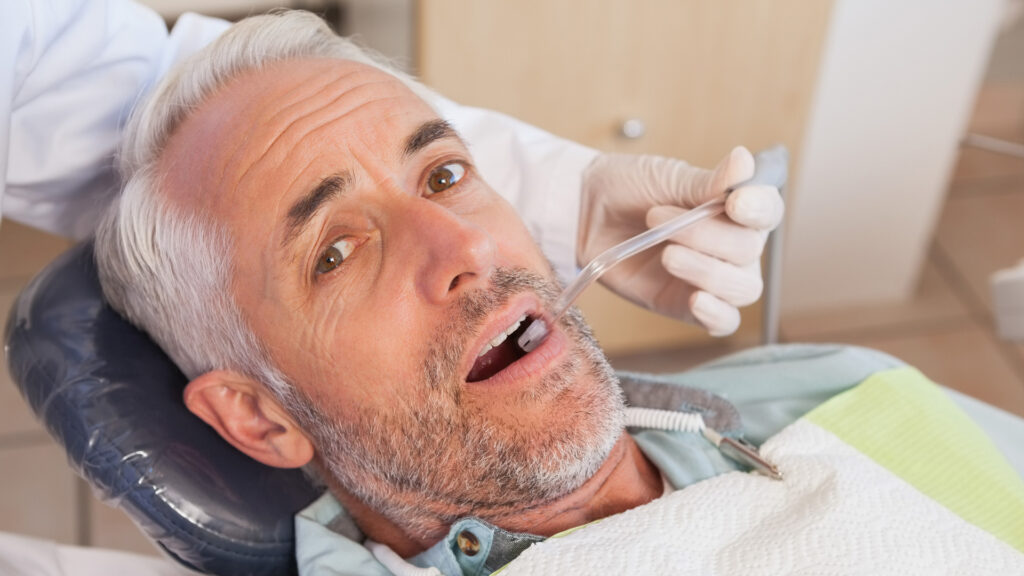
Chewing pain has a way of taking over the day. People often try to work around it at first. They chew on the other side, avoid crusty bread, skip steak, and hope the soreness settles down by morning. Sometimes it does. Quite often, it does not. When pain appears every time the teeth meet, or when the bite suddenly feels uneven, the problem can move from nuisance to urgent dental issue faster than most people expect.
An Emergency Dentist sees this pattern all the time. A patient rarely walks in saying only, “My bite feels off.” The fuller story is usually more revealing. They woke up with a tooth that feels taller than the rest. Their jaw is sore by lunch. It hurts to bite into anything firmer than scrambled eggs. Cold water may sting, or there may be no temperature sensitivity at all, just a sharp jolt when the teeth come together. Those details matter because chewing pain and bite problems can come from Emergency Dentist Dental Group of Beverly Hills very different causes, and the right response depends on understanding what the tooth, gums, jaw, and surrounding tissues are doing.
The first practical point is simple. Pain on chewing is not a diagnosis. It is a symptom. It can signal a cracked tooth, a high filling, a failing crown, a deep cavity, inflamed ligament tissue around the root, grinding-related trauma, gum infection, an abscess, or jaw joint strain. Some causes are relatively straightforward to fix. Others need prompt treatment to prevent the tooth from splitting, the infection from spreading, or the pain from escalating over a weekend when options become limited.
What chewing pain usually means
When a patient says, “It hurts when I bite down,” I want to know exactly when the pain happens. Does it hurt on pressure as the teeth come together, or on release when they separate? That distinction can point in different directions. Pain on biting can happen when a tooth is inflamed, when a filling sits a little too high, or when the ligament around the tooth is bruised. Pain on release often raises concern for a crack, because the segments of the tooth may flex apart and then pinch the inner tissues as the pressure comes off.
Not every bite problem starts with severe pain. Some begin as a strange awareness that one tooth is touching before the others. Patients describe it as “hitting first” or “feeling raised.” That may follow a new filling or crown, but it can also happen after nighttime grinding. The periodontal ligament, which is the tiny shock-absorbing structure anchoring the tooth to bone, can become inflamed and slightly swollen. A tooth does not have to move much for the bite to feel wrong. A change measured in fractions of a millimeter can feel dramatic.
There is also a difference between tooth pain and jaw pain that people do not always recognize. If the discomfort spreads through the cheek, temple, or in front of the ear, especially after clenching, the bite may feel “off” even when the teeth themselves are structurally sound. Muscles can refer pain in deceptive ways. Still, it is risky to assume all bite pain is muscular, particularly if one tooth is clearly tender or if swelling is present.
When an uneven bite becomes urgent
A sudden change in occlusion, meaning how the upper and lower teeth meet, deserves attention. Teeth do not usually shift overnight without a reason. If a tooth becomes tender to pressure and starts feeling tall, there may be inflammation at the root tip. If the gum around it swells, infection becomes more likely. If a crown or filling fractures, the bite can change instantly, and the exposed tooth underneath may be vulnerable.
An Emergency Dentist becomes especially important when the bite problem is paired with worsening symptoms. Facial swelling, a bad taste, pus drainage, fever, difficulty opening the mouth, or pain that keeps you awake are all signs that the issue may be beyond simple irritation. Dental infections can spread into surrounding tissues. That does not happen in every case, but when it does, the situation becomes much more serious than a sore tooth after dinner.
There is also the matter of timing. A cracked tooth can begin with intermittent pain and then fail abruptly. Patients sometimes tell me they had a “twinge” for weeks, then bit into a nut, crust, or seed and felt a sharp snap followed by constant pain. The window where a tooth can be stabilized is often better before that final event than after it.
The common causes behind chewing pain
Cracked teeth are high on the list because they can be hard to see with the naked eye and easy to underestimate. A crack may run through a cusp, under an old filling, or into the deeper structure of the tooth. Early on, X-rays may not show it clearly. The history often matters more than the picture. A patient reports pain with chewing, especially on release, and says the tooth is otherwise fine some of the time. That is classic enough to take seriously.
High restorations are another frequent source of trouble. A filling or crown can look excellent and still be slightly proud in the bite. Some patients notice this immediately once the local anesthetic wears off. Others adjust for a day or two until the ligament gets irritated, then the whole side starts feeling sore. The good news is that when the problem truly is excess height, adjustment is often quick and effective.
Tooth decay can also present this way, especially when a cavity gets deep enough to inflame the pulp inside the tooth. At first, a patient may feel sensitivity to cold or sweets. As the inflammation progresses, biting pressure can become painful because the tissues around the root respond to the internal irritation. If the nerve begins to die or becomes infected, the bite tenderness often gets worse, not better.
Failing crowns and old fillings deserve special mention. Dental work does not last forever. Margins can leak, cement can wash out, decay can recur around edges, and underlying tooth structure can crack. Many adults with bite pain are dealing not with a “mystery tooth,” but with an aging restoration that needs attention after years of service.
Gum and bone issues can create a different kind of chewing discomfort. Food can trap between teeth and inflame the papilla, which is the gum tissue between them. A localized periodontal abscess may make a tooth feel elevated and very tender to pressure. Patients sometimes assume it is a cavity because chewing hurts, but the source is in the supporting tissues, not the center of the tooth.
Then there is clenching and grinding. These habits can bruise teeth, strain the ligament, chip enamel, and aggravate jaw joints and muscles. The pain is often worse on waking, and more than one tooth may feel sensitive to pressure. The challenge is that grinding can also trigger cracks, so the habit may be part of the cause rather than the whole story.
How dentists sort out the real source
A careful exam does more than confirm that something hurts. It tries to reproduce the pattern in a controlled way. Dentists may tap the tooth, test temperature response, check for looseness, examine the gums, evaluate the bite with articulating paper, and use a bite test on individual cusps. Each finding adds a piece to the puzzle.
Radiographs help, but they are not magic. They can show decay, abscess-related bone changes, deep existing restorations, periodontal bone loss, and certain fractures of roots or restorations. Fine cracks through the crown portion of a tooth may remain invisible. That is why an experienced clinician pays close attention to the story the patient tells. “It only hurts when I chew almonds,” “it stings when I let go,” or “it started after my new crown” can be more useful than a vague pain scale.
Sometimes the problem is obvious. A cusp has broken off. A temporary crown came loose. A filling is visibly fractured. Other times, the first visit is about narrowing possibilities and calming inflamed tissues enough to get a clearer picture. If a tooth is acutely painful and the nerve is compromised, emergency treatment may involve opening the tooth for drainage or starting root canal therapy. If infection is present in the gum, drainage and cleaning may be the priority. If the bite is the issue, a selective adjustment can bring rapid relief.
Signs you should seek same-day or next-day care
Many bite problems can wait a short time, but some should not. These are the situations where prompt attention matters most:
- Swelling in the gum, face, or jaw, especially if it is increasing.
- Pain severe enough to keep you from sleeping or eating normally.
- Fever, foul taste, pus, or a sense that the tooth is “lifting” higher by the hour.
- A cracked, broken, or recently restored tooth that hurts sharply when you bite.
- Trouble opening your mouth, swallowing, or controlling the pain with standard measures.
People often ask whether antibiotics alone will fix the problem. Sometimes antibiotics are appropriate, particularly when there is spreading infection or swelling. But they are not a substitute for treating the source. If the issue is trapped infection inside a tooth, a crack, or a high restoration, medication alone usually gives temporary relief at best.
What to do before you can get seen
The hours before a dental visit matter, especially if you are trying to avoid making the tooth worse. Keep the plan simple and conservative:
- Chew on the opposite side and switch to softer foods such as eggs, yogurt, soup, rice, or pasta.
- Rinse gently with warm salt water if the gums feel irritated or food has been packing around the tooth.
- Use over-the-counter pain relief only as directed on the label, unless your physician has told you to avoid those medications.
- Avoid testing the tooth over and over with hard foods, because repeated pressure can turn a manageable crack into a larger fracture.
- If a crown has come off, keep it clean and bring it to the appointment rather than trying improvised fixes that may distort the fit.
One habit worth breaking immediately is “chewing to check.” People will bite down again and again to see if the pain is still there. Every test loads the tooth and surrounding ligament. I have seen small cusp fractures become major breaks after a day of repeated self-testing.
Why bite changes after dental work should not be ignored
There is a common belief that a new filling or crown just needs time to “settle.” Teeth do not truly settle into the bone the way shoes break in. The mouth can adapt to very small differences, but if the bite feels distinctly high after the numbness wears off, that message is worth trusting.
A restoration that is even slightly too high can trigger a chain reaction. The tooth takes extra force. The ligament becomes inflamed. The tooth feels taller and more sensitive. The jaw may shift to avoid the spot, creating muscular fatigue on one side. A quick adjustment early can prevent several days of pain and the kind of guarding that makes the whole side of the face feel off.
That said, not every post-treatment discomfort means the bite is wrong. Deep fillings can leave a tooth temporarily sensitive. Crowns placed on teeth with heavy prior wear can bring awareness as the mouth adjusts to a healthier shape. The challenge is distinguishing normal short-term tenderness from a mechanical interference. If biting pain is getting worse after a restoration instead of better, it is reasonable to call.
Cracked tooth problems, where judgment matters most
Cracked teeth are one of the more frustrating problems in emergency dentistry because they do not all behave the same way. A shallow cracked cusp may be solved with a bonded restoration or crown. A deeper crack that extends into the root may have a poor long-term outlook, even if symptoms improve temporarily. The reason dentists sound cautious in these cases is not indecision. It is respect for the biology and mechanics involved.
I remember a patient who came in after weeks of “weird pressure” on a lower molar. No cavity was visible, the X-ray was not dramatic, and the pain came mainly when chewing seeded bread. On bite testing, one cusp reproduced a sharp zing on release. We discussed the strong possibility of a crack and the chance that a crown could help if the crack had not gone too far. The tooth settled briefly with reduced chewing on that side, then flared after a piece of granola. Once opened, the fracture line was more extensive than the early exam suggested. That kind of progression is not rare. It is why delayed evaluation can cost a tooth that might otherwise have had a better chance.
The practical lesson is this. Intermittent chewing pain is not harmless just because it comes and goes. Cracks often announce themselves quietly before they become obvious.
The role of the jaw joint and muscles
Not all bite complaints come from a tooth. People who clench during stress or grind at night may wake with a sense that their teeth do not fit together properly. The jaw muscles can become tight enough to alter how the mouth closes. Tenderness near the temples, along the masseter muscles at the angle of the jaw, or in front of the ears points more toward a muscle and joint component.
Still, jaw issues and dental issues overlap. A person can grind enough to inflame the muscles and crack a molar at the same time. That is why a broad exam matters. If the discomfort is widespread, dull, and associated with headaches or morning jaw fatigue, the Emergency Dentist may advise a softer diet, anti-inflammatory strategies if medically appropriate, and a follow-up for occlusal evaluation or a night guard discussion. If one tooth remains sharply painful to chewing, that tooth needs more focused attention.
What treatment might look like
Emergency care is not one-size-fits-all. The treatment depends on the cause, the tooth involved, the severity of symptoms, and sometimes the strategic value of the tooth itself. A high filling may only need minor adjustment. A cracked cusp may need Emergency Dentist a protective restoration. A tooth with irreversible pulp inflammation may need root canal treatment, sometimes started the same day if pain is significant. A non-restorable fracture may require extraction. A periodontal abscess may need drainage and deep cleaning. A loose or dislodged crown may be recemented if it still fits and the underlying tooth is sound.
This is where real clinical judgment matters. The fastest fix is not always the right one, and the most definitive treatment is not always the first step if the diagnosis is still evolving. For example, a very sore tooth with a questionable crack may first be stabilized, adjusted out of heavy bite contact, and monitored briefly before a final restoration plan is chosen. On the other hand, a tooth with obvious infection and spontaneous pain often benefits from immediate intervention rather than watchful waiting.
Mistakes patients make that complicate the problem
One common mistake is delaying because the pain is “only when chewing.” Many serious dental problems are provoked by pressure before they become constant. Another is relying on internet advice that treats all dental pain as the same. Clove oil, ice, heat, mouthwash, and pain medication each have limited roles, but none can tell you whether a tooth is cracked, infected, or simply high in the bite.
A third mistake is assuming the side that hurts is always the source. Referred pain from upper teeth, lower teeth, and jaw muscles can blur the picture. People sometimes point to the wrong tooth with complete confidence. That is normal, and another reason an exam matters more than guesswork.
Finally, some patients keep eating normally because they do not want to “baby” the tooth. I understand the impulse, but a sore tooth under load is not like a stiff knee after exercise. If structural damage is present, pushing through can make the repair more complicated and more expensive.
How to talk to the dental office so you get the right appointment
When you call, describe the pattern rather than just saying “toothache.” Mention whether the pain happens on biting, on release, with cold, or all the time. Say whether the bite feels uneven or whether one tooth feels high. Note any swelling, fever, broken tooth structure, recent dental work, or trouble sleeping. Those details help the team judge whether you need an urgent same-day slot with an Emergency Dentist or the next available examination.
If you have had the symptom before, say so. If it started after chewing something hard, mention that as well. A concise, accurate history often gets a patient to the right chair faster than simply rating pain as a ten.
The bigger picture, protecting the tooth and your comfort
Chewing pain and bite problems are easy to minimize because they can begin subtly. Yet from a clinical standpoint, they are often early warnings. A tooth that hurts under pressure is telling you that the forces of normal eating are no longer being tolerated well. That may be due to inflammation, infection, structural damage, or occlusal imbalance. The cause is not always dramatic on day one, but it is rarely wise to ignore.
The best outcomes usually come from a combination of speed and restraint. Get the tooth assessed promptly, especially if the bite has changed suddenly or the pain is worsening. Until then, protect the area, eat carefully, and avoid repeated testing. An experienced Emergency Dentist can usually narrow the possibilities quickly and, in many cases, provide meaningful relief at the first visit.
When the teeth come together without pain, most people never think about the complexity involved. Once chewing becomes difficult, that normal function suddenly feels precious. Restoring it starts with taking the symptom seriously, before a small problem becomes a fractured tooth, a sleepless weekend, or a preventable infection.